|
 |
|
| |
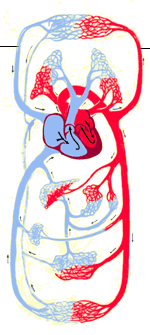
Blood circulation |
|
Hypertension is known as abnormally high blood pressure in the arteries. When your heart beats, it pumps blood to the arteries and creates pressure in them. Blood pressure is responsible for delivering oxygen to your organs, because without oxygen the organs would not work. Blood pressure rises as a normal response to stress and physical activity. However, people with hypertension have high blood pressure even when they are not undergoing a lot of physical activity. Normal blood pressure is usually less than 140/90 mm Hg, defined as millimeters of mercury, for an adult. Blood pressure that overs this level is considered high. Your healthcare provider may take several readings before making a decision about whether your blood pressure is considered to be in the high range.
Hypertension increases your risk for developing vascular and heart diseases, which may lead to a heart attack or stroke.
High Blood Pressure Facts and Myths |



